
Introduction
In today’s rapidly changing educational landscape, academic success is only one part of a student’s growth. Equally important are social and emotional skills, which help students navigate challenges, build relationships, and develop resilience. SEL learning games are emerging as a highly effective way to teach these skills, combining interactive gameplay with social-emotional education.
WordRush has developed innovative tools that integrate SEL into engaging games, helping students strengthen emotional intelligence while having fun. This article explores how SEL learning games foster resilience, improve classroom dynamics, and prepare students for lifelong success.
Understanding Social Emotional Learning
What Is Social Emotional Learning
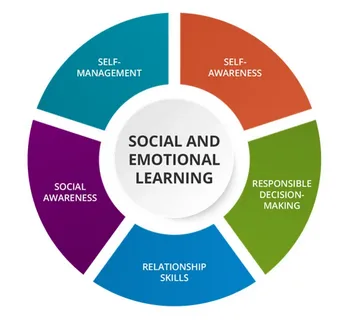
Social Emotional Learning (SEL) is the process of developing skills that enable students to understand and manage emotions, set and achieve positive goals, feel empathy for others, establish healthy relationships, and make responsible decisions. SEL goes beyond traditional academics, addressing the holistic development of students.
The Role of SEL in Education
SEL is critical in fostering resilience. Students who develop strong social and emotional skills are better equipped to handle stress, overcome setbacks, and maintain motivation. Schools incorporating SEL programs see improvements in behavior, engagement, and overall academic performance.
The Benefits of SEL Learning Games
Active Engagement
SEL learning games transform abstract concepts like empathy, self-awareness, and emotion management into interactive experiences. Students actively participate rather than passively learning, which increases engagement and retention of key skills.
Safe Practice Environment
Games provide a safe, controlled environment for students to explore social scenarios and practice emotional regulation. By experimenting with decision-making and consequences in a virtual setting, students can develop confidence in their ability to handle real-life challenges.
Immediate Feedback and Reflection
Interactive SEL games offer real-time feedback on choices and actions. This immediate insight encourages students to reflect on their behavior, understand the impact on others, and adjust strategies accordingly, reinforcing emotional growth.
Collaboration and Communication
Many SEL games are designed for collaborative play, requiring students to communicate, negotiate, and work together to achieve goals. This enhances teamwork skills and builds empathy, essential components of resilience.
Key Skills Developed Through SEL Learning Games
Self-Awareness and Emotional Regulation
Through gameplay, students learn to recognize their emotions and understand triggers. SEL games provide scenarios where students must respond thoughtfully rather than react impulsively, building emotional regulation skills.
Empathy and Perspective-Taking
Many games simulate situations from multiple perspectives, helping students develop empathy. Understanding how others feel and why they act in certain ways fosters compassion and improves social interactions.
Problem-Solving and Decision-Making
SEL games often present challenges that require students to evaluate options and make decisions. By practicing problem-solving in a low-stakes environment, students strengthen critical thinking and adaptability.
Resilience and Stress Management
Encountering challenges, setbacks, and unexpected events in games teaches students perseverance. SEL learning games encourage them to recover from mistakes, try new strategies, and develop coping mechanisms—key aspects of resilience.
Communication and Collaboration
Group-based SEL games require students to communicate effectively and work together to achieve goals. These experiences improve social skills, reduce conflicts, and promote cooperative learning in the classroom.
How SEL Games Complement Classroom Learning
Reinforcing Academic Concepts
SEL learning games can reinforce academic content by embedding social-emotional challenges within traditional subjects. For example, a math-based game might include teamwork or ethical decision-making tasks, integrating learning across domains.
Supporting Personalized Learning
Games adapt to each student’s skill level and social-emotional needs. This personalization ensures that learners are appropriately challenged, promoting growth without causing frustration.
Enhancing Teacher Insights
Educators can monitor performance within SEL games to identify students who may need additional support. Real-time analytics provide valuable insights into emotional intelligence, collaboration skills, and resilience development.
Promoting Positive Classroom Culture
Using SEL games fosters a supportive, empathetic, and inclusive classroom environment. Students learn to communicate respectfully, understand differences, and collaborate effectively, creating a positive learning community.
Practical Applications of SEL Learning Games
Morning Meetings and Icebreakers
SEL games can be used as interactive icebreakers or morning meeting activities to build community, encourage communication, and set a positive tone for the day.
Conflict Resolution Exercises
Games that simulate conflicts allow students to practice negotiation, perspective-taking, and problem-solving skills in a controlled environment, preparing them for real-life situations.
Mindfulness and Stress Reduction
Some SEL games incorporate mindfulness techniques and stress management exercises, helping students learn relaxation strategies and improve focus.
Remote and Hybrid Learning Support
SEL learning games are especially valuable in remote or hybrid settings, where social interaction may be limited. Virtual gameplay allows students to develop emotional and social skills even outside the physical classroom.
Benefits for Educators and Schools
Streamlined SEL Integration
SEL learning games make it easier for teachers to integrate social-emotional instruction into daily lessons without disrupting academic schedules.
Data-Driven Insights
Educators receive analytics on student engagement, choices, and progress, allowing for targeted interventions and informed decision-making.
Improved Student Outcomes
Research shows that schools incorporating SEL programs see improvements in student behavior, attendance, and academic performance. Games make SEL accessible, fun, and measurable.
Promoting Equity and Inclusion
SEL games create opportunities for all students to practice social-emotional skills, regardless of background or ability. Inclusive design ensures that every learner can benefit from resilience-building activities.
How WordRush Enhances SEL Learning
Interactive and Adaptive Gameplay
WordRush designs SEL games that adapt to each student’s progress and learning style, ensuring personalized and meaningful experiences.
Comprehensive Skill Development
WordRush games target a wide range of social-emotional skills, including empathy, communication, self-awareness, and resilience, providing holistic development opportunities.
Easy Classroom Integration
With intuitive interfaces and curriculum-aligned content, WordRush games are easy for teachers to incorporate into lesson plans, whether in-person or online.
Analytics and Teacher Support
WordRush provides actionable analytics to help educators track student growth, identify areas for improvement, and adjust instruction to support individual needs effectively.
Conclusion
SEL learning games are transforming classrooms by fostering resilience, emotional intelligence, and collaboration. By providing interactive, adaptive, and reflective experiences, these games equip students with the skills needed to navigate challenges both in school and in life.
WordRush offers innovative SEL games that combine fun with meaningful skill-building, helping students develop self-awareness, empathy, and problem-solving abilities. By integrating SEL games into the classroom, educators create an environment where students thrive academically, socially, and emotionally laying the foundation for lifelong resilience and success.

