
Introduction
Learning doesn’t have to be boring. With the rise of technology, educational games for kids have become an effective way to make learning engaging, interactive, and fun. By combining gameplay with curriculum-based content, children can develop essential skills while staying motivated and curious.
WordRush is leading the way with educational games that not only entertain but also enhance learning outcomes. In this article, we’ll explore why these games are effective, the skills they foster, and how parents and educators can incorporate them into daily routines.
Why Educational Games for Kids Are Effective
Engaging and Interactive Learning
Unlike traditional lessons, games provide active participation. Children learn by doing, experimenting, and solving challenges, which increases retention and understanding. Educational games for kids turn abstract concepts into hands-on experiences, making learning memorable.
Personalized Learning Experiences
Games adapt to each child’s learning pace and style. This personalization ensures that children remain challenged without feeling overwhelmed. Adaptive educational games help learners strengthen areas of difficulty while progressing at their own speed.
Motivation Through Gamification
Elements like rewards, levels, and challenges encourage children to engage consistently. Gamification promotes perseverance, goal-setting, and problem-solving, essential skills for academic and personal growth.
Key Skills Developed Through Educational Games
Literacy and Language Skills
Games focused on reading, spelling, and vocabulary help children improve language proficiency. Interactive storytelling and word challenges enhance comprehension while making learning fun.
Math and Logical Thinking
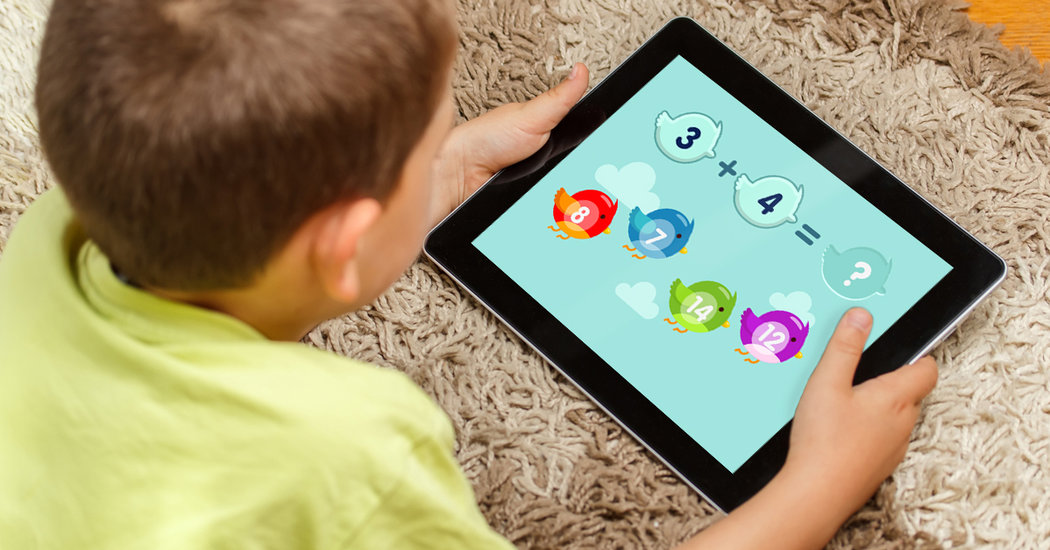
Educational games provide practical problem-solving opportunities, improving mathematical reasoning, pattern recognition, and critical thinking skills. Children practice concepts in a playful environment, reinforcing classroom learning.
Creativity and Imagination
Many educational games encourage creativity through puzzles, story-building, and scenario-based challenges. Kids learn to explore ideas, make choices, and innovate solutions, fostering imaginative thinking.
Social and Emotional Learning
Collaborative and multiplayer games teach children teamwork, empathy, and emotional regulation. These experiences help kids navigate social interactions, build confidence, and develop resilience.
Cognitive Skills and Memory
By presenting challenges that require attention, recall, and strategy, educational games strengthen memory and cognitive flexibility. Children practice multitasking and focus in a structured yet enjoyable environment.
How Educational Games Complement Classroom Learning
Reinforcing Curriculum Concepts
Games can reinforce lessons taught in school, providing additional practice in math, science, language arts, and more. This helps children master topics and retain knowledge effectively.
Supporting Differentiated Instruction
Children have different learning styles and abilities. Educational games adapt to individual needs, allowing teachers and parents to provide personalized learning experiences that meet every child’s requirements.
Enhancing Engagement Outside the Classroom
Games extend learning beyond school hours. By making education fun, children are more likely to practice skills independently at home, fostering lifelong learning habits.
Preparing for Assessments
Educational games help children review and practice material in a low-pressure setting. Repeated exposure to concepts enhances confidence and readiness for formal assessments.
Practical Tips for Parents and Educators
Choose Curriculum-Aligned Games
Select games that align with learning objectives. WordRush offers educational games designed to complement classroom curricula while reinforcing essential skills.
Set Time Limits for Balance
While games are effective, balance screen time with other activities. Short, focused gameplay sessions maximize learning and prevent fatigue or overstimulation.
Encourage Reflection and Discussion
After gameplay, discuss strategies, choices, and outcomes with children. Reflection strengthens understanding and encourages critical thinking.
Use Games for Group Activities
Educational games can be used in pairs or small groups to encourage collaboration. Group gameplay fosters communication, teamwork, and problem-solving skills.
Monitor Progress Through Analytics
Many educational games provide progress tracking. Use these insights to identify areas where children excel or may need additional support. WordRush games offer real-time analytics to guide learning effectively.
Benefits for Educators and Schools
Streamlined Lesson Integration
Teachers can incorporate games into lessons without disrupting schedules. Educational games complement traditional teaching methods and enhance engagement.
Data-Driven Instruction
Analytics from educational games provide insights into student performance, helping educators tailor instruction and interventions.
Increased Student Participation
Gamified learning encourages students who may be less engaged in traditional lessons to participate actively. Games create a fun and inclusive learning environment.
Supporting Diverse Learning Needs
Educational games are accessible for children with varying abilities and learning styles, promoting equity and inclusion in the classroom.
The Role of WordRush in Educational Gaming
Interactive and Adaptive Gameplay
WordRush creates games that adapt to each child’s skill level, ensuring personalized and meaningful learning experiences.
Comprehensive Skill Development
WordRush games focus on multiple areas: literacy, math, critical thinking, creativity, and social-emotional learning. Children develop a well-rounded skill set while enjoying the process.
Easy Integration for Home and Classroom
With intuitive design and curriculum-aligned content, WordRush games are simple to use for both parents and educators. Children can engage in productive gameplay whether at home or in school.
Real-Time Progress Tracking
WordRush provides analytics to monitor skill development and track progress over time. This allows parents and educators to make informed decisions and provide targeted support where needed.
Conclusion
Educational games for kids transform the learning experience by making it interactive, personalized, and enjoyable. From improving literacy and numeracy to fostering creativity and social-emotional skills, these games equip children with tools to succeed academically and personally.
WordRush offers a wide range of educational games designed to engage children, reinforce learning, and provide real-time insights into progress. By incorporating these games into daily routines, parents and educators can help children start learning smarter, build confidence, and develop lifelong skills.
Learning has never been more fun or effective, and now is the perfect time to explore how educational games can enhance your child’s growth and success.

