
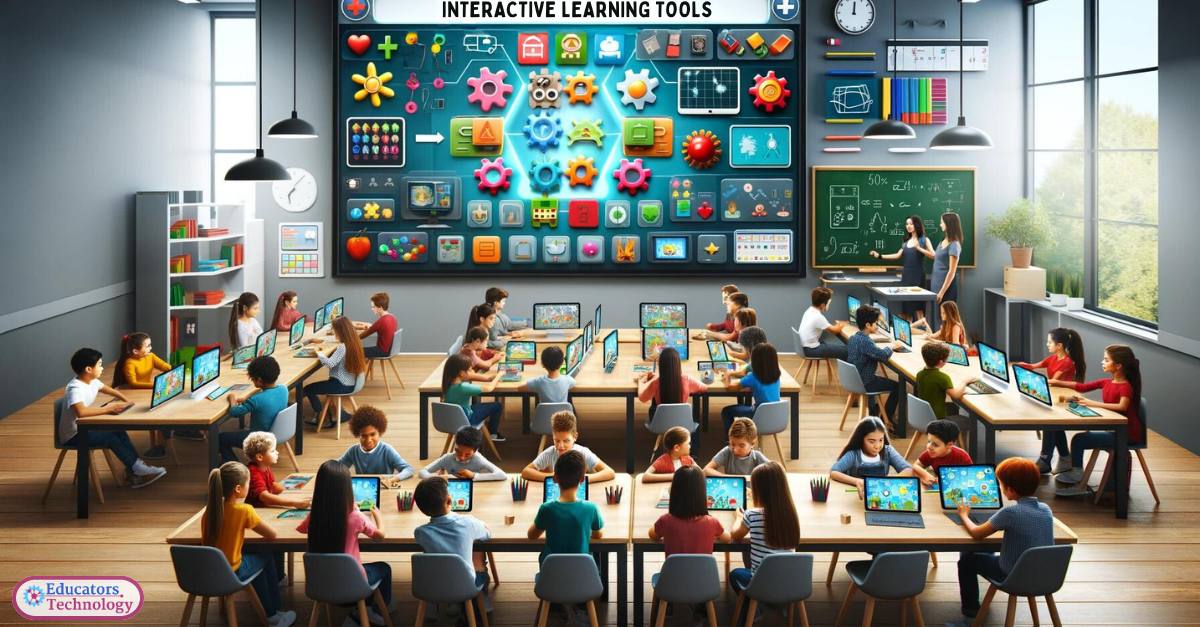
Education is no longer confined to textbooks and lecture halls. At WordRush, we believe that learning should be an exciting journey where students actively participate and explore concepts in meaningful ways. One of the most effective ways to achieve this is through interactive games and educational experiences that keep students engaged while reinforcing their knowledge. In this article, we’ll explore how teachers and educators can harness interactive learning games, educational games for students, and fun learning games to create a more stimulating classroom environment.
Why Interactive Games Are Transforming Education
Traditional teaching methods often rely on passive absorption of information, which can limit student engagement and retention. In contrast, interactive games encourage active participation, making students collaborators in the learning process. When students play games designed to reinforce academic concepts, they are not only learning content—they are also developing problem-solving skills, critical thinking abilities, and teamwork skills.
Benefits of Educational Games for Students
- Increased Engagement
Students naturally gravitate toward activities that are fun and dynamic. Educational games provide immediate feedback and challenges that keep learners invested. This increased engagement translates to higher motivation, longer attention spans, and improved academic outcomes. - Reinforcement of Concepts
Interactive learning games allow students to practice skills repeatedly in a safe, supportive environment. Whether it’s math, language, or science, gamified exercises reinforce concepts and help learners internalize knowledge effectively. - Social and Emotional Development
Many educational games involve collaboration and teamwork, which can improve communication skills, empathy, and emotional intelligence. Group challenges also foster healthy competition and cooperation among peers.
Types of Interactive Learning Games
There is a wide array of games that educators can use to enhance learning experiences. Selecting the right type of game depends on your subject, grade level, and learning objectives.
Digital Games and Apps
Technology has opened new avenues for interactive learning. Digital games and apps provide immersive experiences where students can experiment, make decisions, and observe outcomes in real-time. These platforms often include features such as progress tracking, adaptive difficulty, and instant feedback.
Classroom-Based Games
Not all effective educational games require technology. Engaging classroom games like quiz challenges, role-playing exercises, or hands-on experiments make lessons dynamic and interactive. Simple materials like flashcards, board games, or physical props can create memorable learning experiences.
Gamified Learning Activities
Gamification involves applying game mechanics, such as points, badges, or levels, to educational content. These gamified learning activities motivate students by providing clear goals, progress tracking, and a sense of achievement. Gamification works well for both individual tasks and group projects, promoting collaboration while maintaining an element of fun.
Strategies to Implement Interactive Games in Education
Integrating games into lessons requires thoughtful planning to ensure they are educational and aligned with learning goals.
Align Games With Curriculum Objectives
Select games that reinforce the skills and concepts your students need to learn. Mapping games to curriculum standards ensures that learning remains purposeful while students enjoy the experience.
Encourage Student Choice
Allowing students to select games or activities based on their interests can increase engagement. When students feel ownership over their learning, they are more likely to participate actively.
Combine Physical and Digital Play
A blended approach that incorporates both hands-on and digital games often produces the best outcomes. For example, a math lesson could begin with a hands-on problem-solving challenge and conclude with a digital quiz game to reinforce understanding.
Provide Feedback and Reflection
Games are most effective when paired with opportunities for reflection. Discuss outcomes, strategies, and mistakes to help students understand why certain decisions led to success or failure. This critical thinking component enhances the learning experience beyond the gameplay.
Real-World Examples of Fun Learning Games
- Vocabulary Bingo: Students match words with definitions in a fun, competitive setting, improving language retention.
- Math Escape Rooms: Groups solve puzzles and equations to “escape” the room, encouraging teamwork and problem-solving skills.
- Science Simulations: Digital simulations allow students to conduct virtual experiments, observe phenomena, and analyze results safely.
- History Role-Playing: Students take on historical figures’ roles, reenacting events and exploring cause-and-effect relationships in history lessons.
Measuring the Impact of Interactive Games
To evaluate the effectiveness of educational games, teachers should track both engagement and learning outcomes. Surveys, observation, quizzes, and performance metrics can help determine whether games are enhancing understanding, retention, and classroom participation.
Making Learning an Adventure
Interactive games are not just a teaching tool—they are a pathway to creating meaningful, memorable, and enjoyable learning experiences. By incorporating interactive learning games, educational games for students, and fun learning games, educators can cultivate classrooms where curiosity thrives, collaboration is encouraged, and learning becomes a source of excitement.
As students explore new concepts, solve challenges, and engage with content in immersive ways, teachers witness a shift from passive learning to active discovery. Integrating these strategies ensures lessons resonate long after the school day ends, turning education into an adventure.
In conclusion, embracing interactive methods and gamified activities transforms classrooms into dynamic hubs of creativity and knowledge. With WordRush’s resources and tools, educators can design experiences that captivate students’ attention while nurturing their skills. When planning your next lessons, consider how Learning Adventures can redefine engagement and make learning genuinely enjoyable.

