
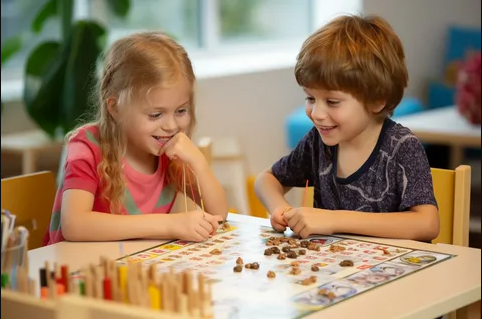
Learning does not have to feel like a chore, and platforms like WordRush are redefining how students engage with words, vocabulary, and problem-solving. By turning practice into a fun, interactive experience, these platforms help students stay motivated while strengthening their skills. Games for kids have evolved from simple pastimes into powerful educational tools that make learning feel like a natural adventure.
Why Games for Kids Are Essential in Modern Education
Engagement Over Memorization
Traditional methods of learning can feel repetitive and uninspiring, especially for younger learners. Games for kids focus on active participation, requiring students to think critically, solve problems, and apply what they have learned in real time. This engagement helps students retain information better than passive methods.
Key benefits include:
- Higher attention and focus
- Reinforced skill retention
- Increased willingness to practice independently
Learning Through Play
Educational games for students turn lessons into interactive challenges that promote learning without the pressure of tests. By integrating game mechanics such as levels, points, and rewards, students are encouraged to explore concepts at their own pace while still achieving measurable outcomes.
Types of Games That Support Learning
Word and Vocabulary Games
These games help students improve language skills while having fun. Interactive challenges encourage players to:
- Match words to meanings
- Complete puzzles using vocabulary
- Build sentences creatively
Detective Games
Detective games stimulate problem-solving and critical thinking. Students analyze clues, make deductions, and use logic to solve scenarios. This type of game develops reasoning skills and reinforces educational content in an engaging format.
Multi-Skill Educational Games
Some games integrate multiple skills such as reading comprehension, math, and teamwork. These educational games for students allow kids to practice in a holistic way, making the learning experience more complete and enjoyable.
How Games Encourage Independent Learning
Self-Paced Progression
Platforms that incorporate games for kids allow students to progress at their own speed. Unlike traditional classroom exercises, these games let learners revisit challenges, retry tasks, and build confidence without fear of judgment.
Instant Feedback
Many educational games for students provide immediate feedback, helping learners understand mistakes and correct them instantly. This reduces frustration and reinforces proper learning patterns.
Motivation Through Achievement
Achievements, badges, and level progression motivate students to continue playing while reinforcing educational objectives. Even simple accomplishments feel rewarding, encouraging consistent engagement.
Integrating Games into the Classroom
Teacher Support and Observation
Teachers can use games for kids to supplement lessons, reinforce vocabulary, or introduce problem-solving challenges. Platforms like WordRush provide insights into student performance, allowing educators to tailor support where it is most needed.
Group and Collaborative Activities
Games can also encourage collaboration. Multiplayer challenges or group puzzles teach students teamwork, communication, and shared problem-solving while keeping the learning fun.
Balancing Play and Instruction
Games are most effective when paired with guided learning. Educators can integrate short game sessions alongside instruction or use them as reinforcement after lessons, creating a balanced approach that maximizes engagement without compromising learning objectives.
Key Features to Look for in Educational Games
- Intuitive interface suitable for all ages
- Clear learning objectives integrated into gameplay
- Opportunities for repeated practice and skill reinforcement
- Balanced challenge levels to keep students motivated without frustration
- Real-time feedback and progress tracking
By choosing platforms that meet these criteria, schools and teachers can ensure that games for kids truly support meaningful learning rather than serving as simple entertainment.
Preparing Students for a Fun and Productive Learning Journey
When students enjoy the process of learning, they are more likely to engage actively and retain information. Games for kids that combine educational content with enjoyable challenges help learners build essential skills naturally. Detective games, word puzzles, and other interactive exercises make lessons feel like a series of small victories rather than obligatory tasks.
By integrating these tools thoughtfully, educators can transform practice into an experience that balances fun with purpose. Platforms that emphasize interactive practice, personalized feedback, and goal-oriented challenges create learning environments where students feel empowered and excited. These strategies make it easier to prepare students for academic growth while keeping them motivated, confident, and curious.
Ultimately, platforms that combine interactive games, problem-solving challenges, and vocabulary-building exercises exemplify the value of modern Learning platforms, giving students opportunities to develop skills while truly enjoying the process.

