
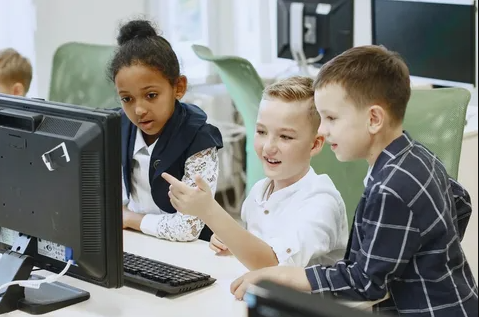
Education is evolving beyond worksheets and repetitive exercises, and platforms like WordRush are leading the way by turning learning into interactive, enjoyable experiences. Gamified learning uses technology, challenges, and rewards to engage students in a way traditional worksheets often cannot. By integrating game mechanics into the learning process, students stay motivated, retain information more effectively, and develop skills through meaningful practice.
Understanding Gamified Learning
What Gamified Learning Really Means
Gamified learning incorporates elements commonly found in games—points, levels, challenges, and feedback—into educational content. Unlike conventional exercises, gamification encourages students to actively participate, try new strategies, and progress at their own pace.
Core aspects include:
- Immediate feedback to correct mistakes
- Progress tracking to monitor growth
- Reward systems to motivate continued engagement
The Psychology Behind Gamification
Humans are naturally drawn to challenges, achievements, and recognition. Gamified learning taps into these psychological drivers to make education intrinsically motivating. Students are more likely to engage deeply when learning feels like a challenge to conquer rather than a task to complete.
Why Gamified Learning Outperforms Traditional Worksheets
Increased Student Engagement
Worksheets often rely on passive learning, where students complete repetitive tasks without active problem solving. Gamified learning transforms lessons into interactive experiences that encourage:
- Decision-making
- Critical thinking
- Active participation
By keeping students mentally and emotionally involved, gamified platforms enhance attention and interest.
Improved Retention and Understanding
Gamification promotes repetition in a meaningful context. Students revisit concepts through levels and challenges, which strengthens memory retention and comprehension. Unlike worksheets, which may encourage rote memorization, gamified learning reinforces practical application.
Motivation Through Achievement
Reward systems, badges, and levels foster a sense of accomplishment. Students feel recognized for their progress, creating a positive feedback loop that encourages continued participation. This is particularly effective for learners who may struggle with traditional formats.
Key Features of Effective Gamified Learning Platforms
Adaptive Challenges
The best gamified platforms adjust difficulty based on student performance. This ensures challenges remain engaging without being overwhelming.
Interactive Content
Games for kids often include puzzles, word challenges, and problem-solving exercises that make practice enjoyable.
Progress Tracking for Teachers
Platforms like WordRush provide teachers with insights into student performance, helping educators identify areas that need support and celebrate achievements in real time.
Comparing Worksheets to Gamified Learning
| Feature | Traditional Worksheets | Gamified Learning |
| Student Engagement | Low, repetitive | High, interactive |
| Motivation | External (grades) | Intrinsic (rewards, progress) |
| Feedback | Delayed | Immediate |
| Adaptability | Fixed | Adaptive to skill level |
| Skill Application | Limited | Practical and varied |
This comparison highlights why gamified learning is increasingly preferred in classrooms. Students remain focused, motivated, and excited to learn.
How Gamified Learning Supports Different Learning Styles
Visual Learners
Games often use images, color coding, and interactive visuals to reinforce concepts.
Auditory Learners
Narration, sound effects, and spoken instructions help students who learn best through listening.
Kinesthetic Learners
Drag-and-drop exercises, interactive puzzles, and hands-on activities cater to learners who need movement and touch to understand concepts.
Implementing Gamified Learning in the Classroom
Start Small
Introduce short sessions with targeted learning goals to help students adjust to gamified approaches.
Blend With Traditional Instruction
Combine worksheets and direct instruction with gamified activities to reinforce learning without abandoning structure.
Encourage Collaboration
Many gamified platforms allow group challenges or competitive modes that foster teamwork, communication, and peer learning.
The Future of Learning With Gamification
As education continues to embrace technology, gamified learning is proving its value in engaging students while promoting skill development and retention. Platforms like WordRush combine interactive exercises, vocabulary games, and problem-solving challenges to make learning both effective and enjoyable.
By integrating gamified strategies thoughtfully, educators can create environments where students develop a love for learning. These approaches ensure that lessons feel less like mandatory tasks and more like interactive exploration. Platforms built around interactive challenges, rewards, and feedback show that games for kids are not just entertaining—they are powerful tools for education.

