
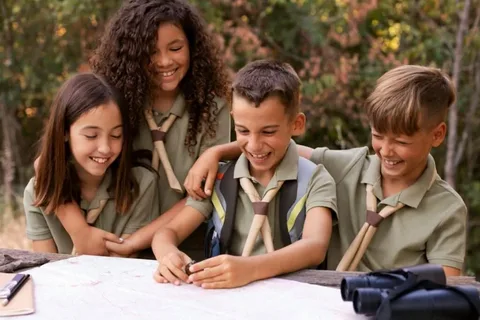
Classrooms are changing rapidly, and learning is no longer limited to textbooks and lectures. Platforms like WordRush reflect a growing shift toward interactive, game-driven experiences that support meaningful learning. This approach, often described as adventures in learning, helps students stay engaged while developing essential language and thinking skills in a natural, enjoyable way.
Rather than forcing attention through repetition, modern learning environments focus on participation, curiosity, and exploration. Educational games are becoming a trusted way for teachers to create classrooms where students actively want to learn.
Why Classroom Engagement Matters More Than Ever
The Challenge of Traditional Learning Methods
Many students struggle to stay focused during long lessons that rely only on reading or listening. This is not a reflection of their ability, but rather how learning styles have evolved. Students today respond better when they are involved in the process rather than passive observers.
Low engagement can lead to:
- Reduced participation in class
- Difficulty retaining new concepts
- Limited motivation to practice skills independently
Adventures in learning help address these challenges by turning lessons into experiences rather than tasks.
Learning Through Interaction and Choice
When students interact with content through games, they gain a sense of control and ownership. Instead of being told what to memorize, they explore words, patterns, and ideas at their own pace. This creates a more positive learning environment where effort feels rewarding.
How Educational Games Support Student Learning
Making Learning Feel Purposeful
Educational games for students are designed to blend learning objectives with meaningful activities. Instead of drilling vocabulary in isolation, students apply words in context, solve problems, and make decisions.
This approach:
- Encourages deeper understanding
- Improves recall through repeated exposure
- Builds confidence through small, achievable wins
Games create a safe space for students to try, fail, and improve without fear of judgment.
Supporting Different Learning Styles
Not all students learn the same way. Some prefer visuals, others learn best by doing. Games for kids naturally support multiple learning styles by combining visuals, interaction, and problem solving.
Common benefits include:
- Visual cues that reinforce word meaning
- Interactive challenges that promote active learning
- Clear feedback that helps students self correct
Adventures in Learning Inside the Classroom
Turning Lessons Into Experiences
Adventures in learning transform lessons into journeys rather than routines. Instead of completing worksheets, students engage with activities that feel like challenges or missions. This approach helps maintain attention and encourages participation from students who may otherwise remain quiet.
Teachers often notice:
- Increased classroom energy
- More peer collaboration
- Higher willingness to participate in discussions
Encouraging Consistent Practice
Practice is essential for learning, but repetition can quickly become boring. Educational games help students practice without feeling overwhelmed or disengaged. Short, focused activities allow students to build skills gradually while staying motivated.
Examples of effective classroom practices include:
- Short daily word challenges
- Group based learning activities
- Individual practice sessions that feel playful, not pressured
The Role of Teachers in Game Based Learning
Maintaining Educational Balance
Games are not meant to replace teaching. Instead, they support instruction by reinforcing lessons and offering additional practice. Teachers remain in control of learning goals and outcomes while using games as a tool to support progress.
This balance ensures that:
- Learning remains structured
- Activities align with classroom objectives
- Students understand the purpose behind each activity
Observing Progress Naturally
Games often reveal how students think and learn. Teachers can observe patterns such as which words students struggle with or how they approach problem solving. These insights help educators adjust instruction without relying solely on tests.
Why Games for Kids Build Long Term Skills
Developing Confidence Through Play
Games for kids allow students to engage without fear of making mistakes. This builds confidence and encourages experimentation, which is essential for language development and critical thinking.
Over time, students develop:
- Greater willingness to try new words
- Improved problem solving skills
- A more positive attitude toward learning
Supporting Collaboration and Communication
Many educational games encourage teamwork. Students learn to communicate, listen, and support one another. These skills extend beyond academics and play an important role in overall development.
The Future of Classroom Learning
As education continues to evolve, interactive learning experiences will play an increasingly important role. Adventures in learning help classrooms move beyond passive instruction toward active participation. When students are engaged, learning becomes more effective and more enjoyable.
Platforms that focus on educational games for students and games for kids support this shift by making learning accessible, interactive, and consistent. When thoughtfully integrated, these tools help teachers create classrooms where curiosity leads the way.
By embracing learning experiences built around interaction and engagement, schools can prepare students not only for academic success but also for lifelong learning using the Best AI Platforms.

