
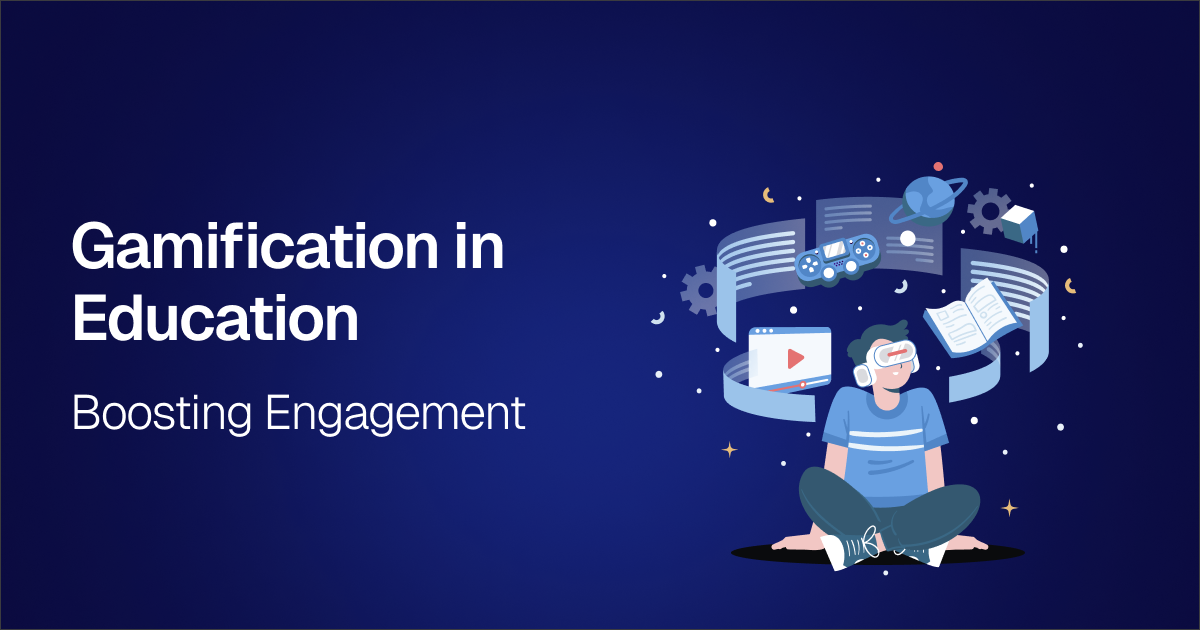
In today’s rapidly evolving educational landscape, keeping students motivated and engaged can be challenging. Traditional lecture-based teaching often fails to captivate young learners, leading educators to explore innovative approaches. One of the most effective methods emerging in modern classrooms is gamification in education. Platforms like WordRush have transformed the way students learn by integrating game-like elements into lessons, helping educators enhance motivation, retention, and participation.
Understanding Gamification in Education
Gamification is the application of game mechanics and design principles in non-game contexts, such as classrooms, to enhance engagement and learning outcomes. In education, it involves incorporating rewards, points, leaderboards, challenges, and storytelling into lessons to make learning more interactive and fun.
The Psychology Behind Gamification
Human behavior is naturally motivated by achievement, competition, and social recognition. By embedding these elements into the classroom, educators tap into intrinsic motivation, turning learning into an experience that students actively pursue rather than passively receive. Gamified systems appeal to multiple types of learners—visual, auditory, and kinesthetic—making education more inclusive.
Benefits of Gamification in Education
- Increased engagement: Students are more likely to participate when learning feels like a challenge or a game.
- Improved retention: Game-based learning enhances memory and recall through repetition and rewards.
- Encourages collaboration: Team-based activities and leaderboards promote social learning.
- Immediate feedback: Students can see their progress and correct mistakes in real time.
Effective Student Motivation Techniques
Integrating gamification requires strategic planning to boost student motivation effectively. Here are key techniques educators can implement:
Set Clear Goals and Rewards
Students respond well to clear objectives and tangible rewards. Define lesson goals, assign point values to tasks, and provide badges or certificates upon completion. Recognizing small wins keeps students motivated and reinforces positive learning behavior.
Personalize Learning Experiences
Customization is crucial. Adaptive learning platforms can tailor challenges to individual skill levels, ensuring students are neither bored nor overwhelmed. Gamified educational tools allow students to progress at their own pace, fostering confidence and a sense of accomplishment.
Foster Healthy Competition
Leaderboards, team challenges, and friendly competitions encourage students to put forth their best effort. The key is to maintain a supportive environment where competition motivates rather than intimidates. Celebrate achievements publicly to build a classroom culture of encouragement.
Integrate Storytelling
Narratives and storytelling immerse students in learning, making concepts more memorable. Role-playing scenarios or adventure-based learning modules allow learners to experience lessons firsthand, connecting abstract knowledge to real-world applications.
Engaging Learning Strategies Through Game-Based Activities
Gamification is most effective when combined with educational game-based learning. These activities transform traditional lessons into interactive experiences that maintain student attention and interest.
Interactive Quizzes and Challenges
Quizzes with timed responses, points, and levels add excitement to routine assessments. Incorporating puzzles, problem-solving tasks, and scenario-based questions fosters critical thinking and keeps students engaged.
Simulation and Role-Playing
Simulations allow students to experiment with real-world situations in a safe environment. For example, history lessons can include role-playing historical figures, while science lessons can simulate lab experiments. These immersive experiences reinforce concepts effectively.
Collaborative Projects and Team Games
Team-based gamified projects encourage students to collaborate, share knowledge, and develop communication skills. Group challenges also instill accountability and build a sense of community within the classroom.
Incorporating Digital Platforms
Digital tools and apps offer diverse opportunities for classroom gamification. Platforms like WordRush provide ready-to-use modules, leaderboards, and progress tracking, enabling educators to implement engaging learning strategies without extensive preparation.
Classroom Gamification Ideas
Practical implementation is key. Here are actionable classroom gamification ideas that can energize lessons and boost motivation:
- Point systems: Award points for homework, participation, and classroom behavior.
- Badge collections: Recognize achievements with digital or physical badges.
- Level advancement: Allow students to unlock levels as they master skills.
- Team quests: Create collaborative missions that require teamwork and problem-solving.
- Mystery challenges: Introduce unexpected mini-games or puzzles tied to lesson objectives.
Measuring the Impact of Gamification
Tracking progress is essential to ensure gamification strategies are effective. Use both qualitative and quantitative measures:
- Surveys and feedback: Ask students about their engagement levels and learning experience.
- Performance metrics: Monitor test scores, assignment completion, and skill development.
- Classroom observations: Evaluate participation, collaboration, and enthusiasm during gamified activities.
Regular assessment allows educators to refine strategies, tailor experiences, and maintain high levels of motivation.
Future Trends in Gamification for Education
As technology evolves, gamification in education will become even more sophisticated. Virtual reality (VR), augmented reality (AR), and AI-driven adaptive learning can offer immersive, personalized, and interactive experiences. Integrating these tools will provide innovative ways to maintain high student engagement, foster creativity, and strengthen problem-solving skills.
Gamification is more than just a teaching trend—it is a transformative approach to learning that fosters curiosity, engagement, and achievement. Educators who strategically implement game-based learning experiences can elevate classroom dynamics and create environments where students thrive. For teachers looking to make lessons more interactive and enjoyable, exploring detective learning games can be a powerful way to engage learners and enhance motivation.

