
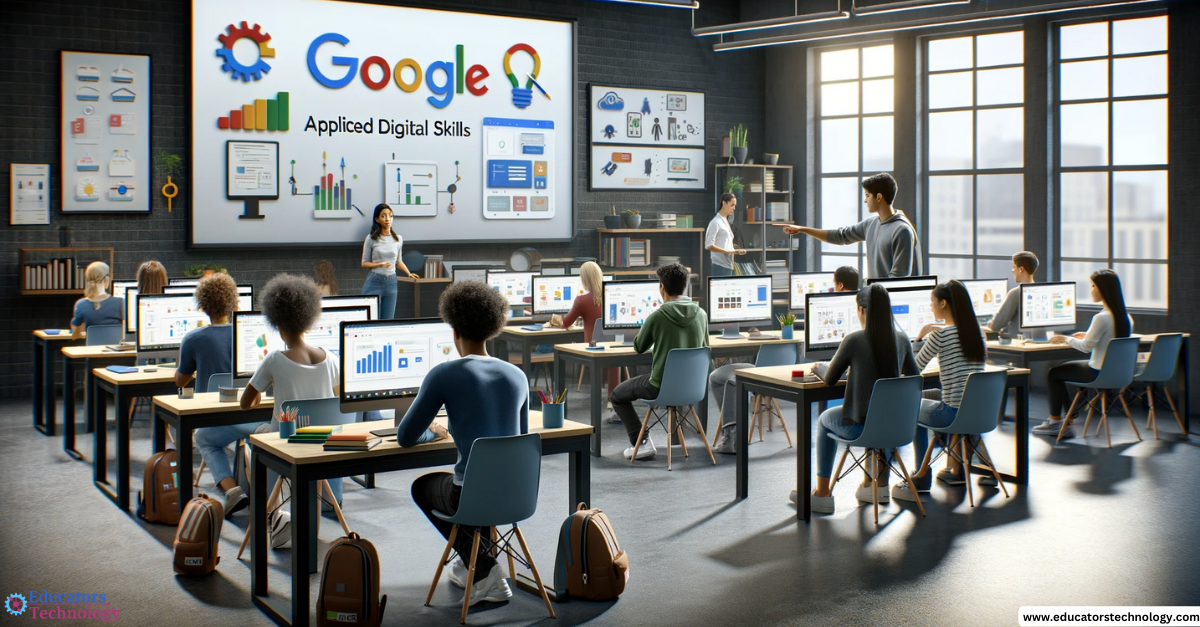
Education has evolved far beyond traditional lectures and rote memorization. Today, students crave experiences that spark curiosity, inspire creativity, and make learning meaningful. At WordRush, we understand that immersive experiences can transform the way students engage with knowledge, turning classrooms into dynamic hubs of exploration. By integrating learning adventures into everyday education, teachers can cultivate enthusiasm, critical thinking, and lifelong love for learning.
Understanding Learning Adventures
Learning adventures refer to educational experiences that go beyond standard lessons, combining fun, exploration, and real-world application. These experiences encourage students to actively participate rather than passively consume information. Learning adventures for students can take many forms: field trips, project-based learning, gamified challenges, and hands-on experiments that foster curiosity and deep understanding.
The key is to design activities that balance education with excitement. When students feel they are part of a journey, rather than simply completing assignments, their engagement and retention improve significantly.
Why Learning Adventures Matter
- Boosts Engagement: Students who participate in learning adventures are more motivated to explore new topics and ask questions.
- Encourages Collaboration: Group activities and problem-solving tasks help build teamwork and communication skills.
- Enhances Critical Thinking: Real-world applications challenge students to analyze, evaluate, and innovate.
- Supports Emotional Development: Experiential learning activities nurture empathy, resilience, and adaptability.
Experiential Learning Activities That Transform Education
Experiential learning activities focus on “learning by doing,” which has been proven to improve understanding and retention. Examples include:
Hands-On Science Experiments
Science comes alive when students can test hypotheses, manipulate materials, and observe outcomes. From building simple circuits to conducting chemical reactions, hands-on experiments turn abstract concepts into tangible learning experiences.
Project-Based Learning
Projects give students ownership of their learning. Whether designing a sustainable garden, creating a historical documentary, or developing a business model, project-based learning combines critical thinking with creativity.
Educational Field Trips
Visiting museums, botanical gardens, technology hubs, or historical landmarks allows students to see concepts in action. Field trips provide context that books alone cannot offer, making lessons more memorable.
Gamified Challenges and Quests
Gamification introduces competition, rewards, and adventure into learning. Quests, puzzles, and interactive challenges motivate students to actively solve problems while developing subject mastery.
Engaging Educational Activities to Make Learning Fun
Incorporating engaging educational activities ensures that students remain excited about learning every day.
Interactive Storytelling
Storytelling brings subjects like history, literature, and social studies to life. Students can reenact events, create narratives, or even craft digital stories that reflect learning objectives.
STEM and STEAM Activities
Integrating science, technology, engineering, arts, and mathematics encourages interdisciplinary exploration. Coding challenges, robotics, and art-science projects combine logical thinking with creativity.
Outdoor Learning Adventures
Nature provides a natural classroom. Activities like ecological studies, astronomy nights, and environmental projects promote experiential learning while fostering a connection to the natural world.
Collaborative Workshops
Workshops that focus on group tasks, design thinking, and peer-to-peer mentoring help students build communication, leadership, and teamwork skills in a fun, interactive setting.
Innovative Teaching Strategies for Modern Classrooms
To maximize the impact of learning adventures, educators must embrace innovative teaching strategies.
- Flipped Classrooms: Students explore new content at home and engage in interactive activities in class.
- Blended Learning: Combining online resources with hands-on projects allows for personalized pacing and diverse learning styles.
- Adaptive Learning Tools: AI-driven platforms can provide real-time feedback and adjust difficulty levels to suit individual student needs.
- Inquiry-Based Learning: Encouraging students to ask questions and lead their learning journey fosters curiosity and self-motivation.
By integrating these strategies, educators create a supportive environment that encourages exploration, problem-solving, and critical thinking.
The Long-Term Benefits of Learning Adventures
Learning adventures do more than make school enjoyable—they prepare students for life. By developing soft skills like teamwork, communication, and adaptability, students gain tools essential for future careers and personal growth. Experiential learning activities also enhance cognitive abilities, emotional intelligence, and self-confidence.
When students associate learning with positive experiences, their motivation for continuous education increases. This approach not only improves academic performance but also instills a mindset of curiosity and lifelong learning.
Conclusion: Making Education Exciting Today
Incorporating learning adventures into educational practices is essential for modern teaching. From experiential learning activities and engaging educational activities to innovative teaching strategies, there are countless ways to make learning fun. Teachers, schools, and parents can work together to create environments where students thrive academically and personally.
By leveraging technology, hands-on experiences, and creative approaches, educators can transform classrooms into exciting spaces of exploration. As education continues to evolve, platforms like WordRush help guide students through immersive journeys that spark curiosity and enhance learning outcomes.
Finally, integrating AI student analytics into these adventures can provide valuable insights into student engagement, performance, and growth, ensuring every learner receives personalized support and guidance.

