
Introduction
In today’s educational landscape, understanding how students learn and progress is crucial. Teachers and administrators need tools that provide real-time insights into student performance without spending hours manually compiling data. AI student analytics offers a transformative solution, providing actionable insights that empower educators to make informed decisions and enhance learning outcomes.
WordRush is at the forefront of this revolution, offering AI-powered solutions that streamline monitoring, assessment, and intervention processes. In this article, we explore how AI student analytics can help educators track progress, personalize learning, and ultimately improve student success.
Understanding AI Student Analytics
What AI Student Analytics Is
AI student analytics involves using artificial intelligence and machine learning algorithms to analyze educational data. These systems gather information from multiple sources—such as assessments, classroom activities, and engagement metrics—and transform it into meaningful insights. Educators can then identify patterns, predict learning outcomes, and tailor instruction to individual student needs.
Benefits for Educators
AI-driven analytics provide several advantages:
- Real-time insights on student performance
- Personalized learning recommendations
- Early identification of students at risk of falling behind
- Efficient tracking of class-wide and individual progress
By leveraging AI student analytics, educators save time while gaining deeper understanding of each learner’s strengths and challenges.
Key Features of AI Student Analytics
Real-Time Performance Tracking
One of the most powerful aspects of AI analytics is the ability to monitor student progress in real time. Teachers can view how students perform on assignments, quizzes, and interactive activities as they happen. This immediate feedback enables quick interventions, ensuring students receive support before gaps in learning widen.
Personalized Learning Insights
AI student analytics goes beyond grades. It identifies patterns in learning behavior, such as preferred study methods, attention spans, and common mistakes. With these insights, educators can tailor instruction to meet each student’s needs, promoting more effective learning outcomes.
Predictive Analytics for Future Success
By analyzing historical and current data, AI can forecast student performance trends. This predictive capability helps educators anticipate challenges, design targeted interventions, and support students in reaching their academic potential.
Engagement and Interaction Metrics
AI systems track not only performance but also engagement. Metrics such as participation in discussions, time spent on learning modules, and interaction with digital resources provide a holistic view of student involvement. This information allows educators to identify students who may require additional encouragement or support.
How AI Analytics Enhances Classroom Management
Streamlining Administrative Tasks
Teachers often spend significant time grading assignments and analyzing results. AI student analytics automates these tasks, providing comprehensive reports that are easy to interpret. This allows educators to focus more on teaching and less on administrative work.
Identifying Learning Gaps Quickly
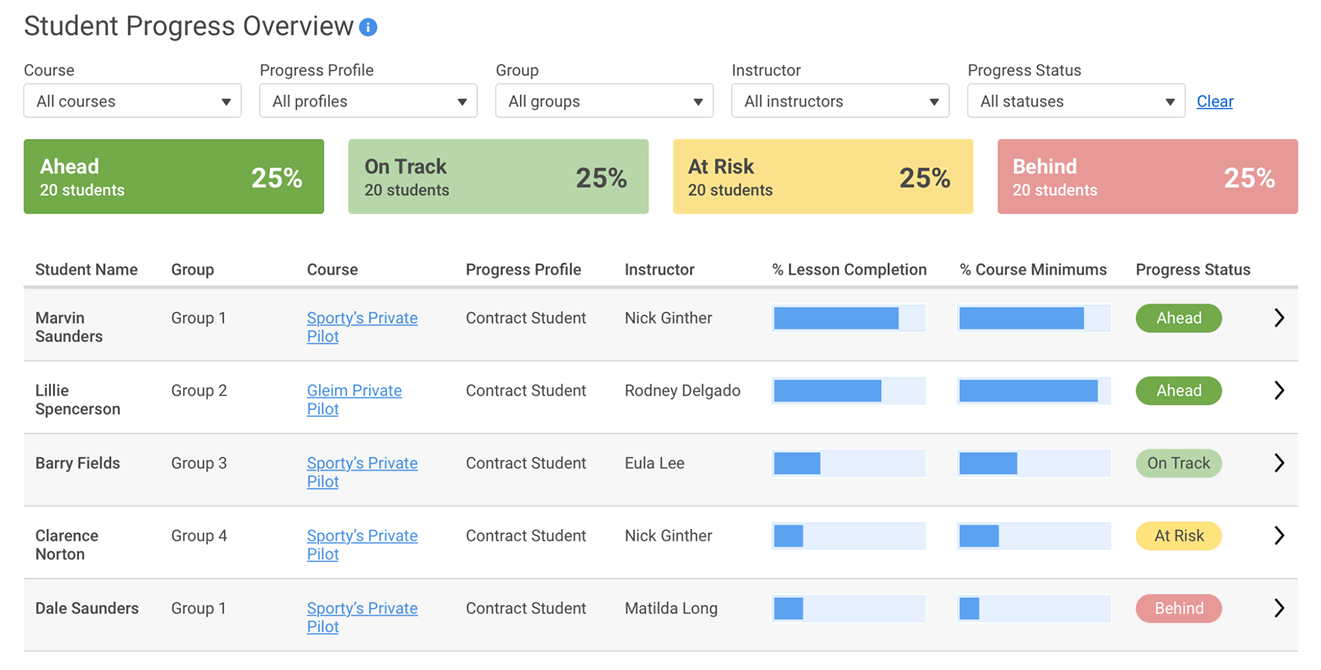
AI-powered dashboards highlight areas where students struggle, helping teachers pinpoint learning gaps. Early identification ensures timely interventions, which can prevent students from falling behind and enhance overall class performance.
Facilitating Data-Driven Instruction
With AI analytics, lesson planning becomes more strategic. Educators can base instructional decisions on concrete data rather than intuition, tailoring lessons to the class’s evolving needs and ensuring that no student is left behind.
Implementing AI Student Analytics in Schools
Choosing the Right Platform
Selecting a reliable AI analytics platform is crucial. Look for systems that integrate seamlessly with existing learning management systems, provide user-friendly dashboards, and offer customizable reports. WordRush exemplifies these qualities, offering tools designed to enhance classroom management and student learning.
Training Educators
Successful implementation requires proper training. Teachers should understand how to interpret AI-driven insights, customize reports, and leverage predictive analytics to support students. Training ensures that AI becomes a supportive partner rather than a complex, underused tool.
Engaging Students and Parents
Transparency is key. Sharing AI insights with students helps them understand their progress and motivates self-directed learning. Additionally, involving parents in the analytics process fosters collaboration, ensuring students receive support both at school and at home.
Real-Life Applications of AI Student Analytics
Improving Literacy and Numeracy Skills
AI can track performance across subjects such as reading, writing, and mathematics. For example, it can identify common errors in essay writing or arithmetic, allowing teachers to design targeted exercises that strengthen weak areas.
Enhancing Test Preparation
By analyzing past test results and performance patterns, AI analytics can guide both teachers and students in focusing on areas that need improvement. This leads to more effective test preparation and higher success rates.
Supporting Special Education Needs
Students with learning differences benefit greatly from personalized interventions. AI student analytics can detect patterns that may indicate challenges, enabling educators to create individualized learning plans and monitor progress over time.
Monitoring Remote Learning
In blended or remote learning environments, tracking student engagement can be challenging. AI tools provide comprehensive insights into online activity, participation, and performance, ensuring that students remain connected and supported even outside the classroom.
Challenges and Considerations
Data Privacy and Security
Implementing AI analytics requires careful attention to data privacy. Schools must ensure that student information is stored securely and used responsibly, following regulations and ethical guidelines.
Avoiding Over-Reliance on Technology
While AI provides valuable insights, it is a tool—not a replacement for human judgment. Teachers should combine AI analytics with their expertise, intuition, and interpersonal understanding to support students effectively.
Continuous Monitoring and Adaptation
Educational needs evolve, and AI systems require ongoing evaluation. Schools should regularly review analytics performance, update models, and adapt strategies to maximize the benefits for both educators and students.
The Future of AI in Education
Smarter Classrooms
The integration of AI student analytics is paving the way for smarter classrooms where instruction is personalized, progress is tracked seamlessly, and interventions are timely. These classrooms empower educators to focus on teaching while ensuring that students receive the guidance they need.
Collaborative Learning Insights
AI analytics not only monitors individual students but also identifies trends across classes, grades, and schools. This data fosters collaboration among educators, enabling the sharing of strategies and insights to improve outcomes collectively.
Continuous Improvement
With AI, the education system moves toward continuous improvement. Data-driven insights allow for iterative adjustments in teaching methods, curricula, and student support strategies, resulting in measurable enhancements in learning outcomes over time.
Conclusion
AI student analytics is revolutionizing how educators track student progress, personalize learning, and enhance academic outcomes. By leveraging real-time insights, predictive analytics, and engagement metrics, teachers can make data-driven decisions that benefit every learner.
WordRush offers cutting-edge tools that integrate seamlessly into classrooms, helping educators save time, identify learning gaps, and create a more engaging and effective learning experience. Implementing AI analytics in schools not only enhances teaching efficiency but also empowers students to reach their full potential.
By embracing AI-driven insights, schools can foster smarter classrooms, support personalized learning, and ensure that every student receives the guidance and attention they need to succeed.

