
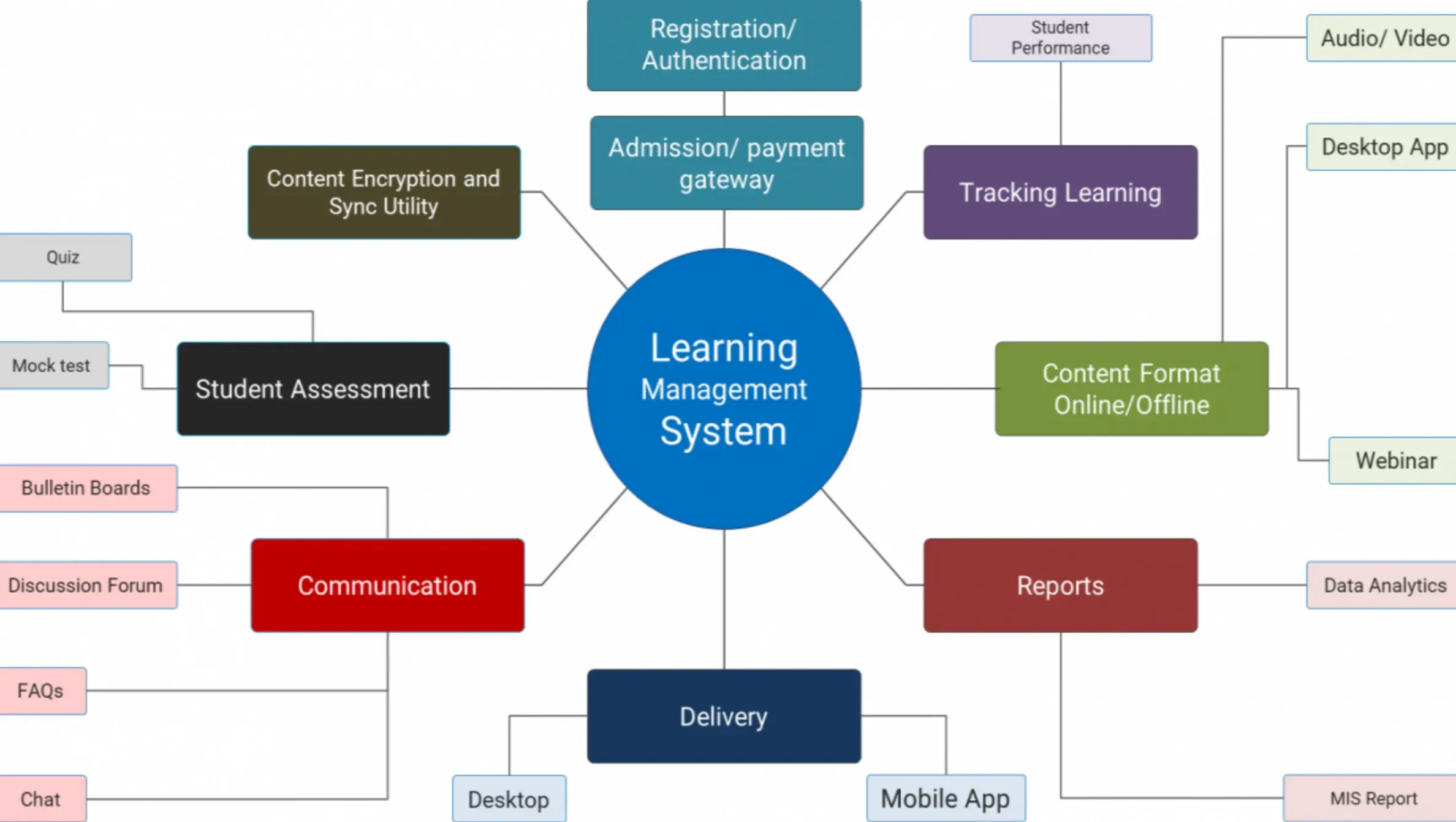
In today’s rapidly evolving educational landscape, technology plays a crucial role in transforming how teachers manage classrooms and how students engage with learning. At WordRush, we understand the challenges educators face when trying to maintain smooth classroom operations while ensuring each student remains actively involved. Learning management systems (LMS) and classroom management software have become essential tools for schools seeking to streamline processes and enhance student outcomes.
Understanding Learning Management Systems
A learning management system is a digital platform designed to organize, deliver, and track educational content. Schools and educational institutions can leverage LMS platforms to simplify administrative tasks, monitor student performance, and provide personalized learning experiences. Unlike traditional methods, LMS for schools centralizes resources in one accessible location, reducing confusion and saving valuable classroom time.
Key Features of Learning Management Systems
Modern LMS platforms often include:
- Content Management: Upload lectures, assignments, and multimedia materials in one secure location.
- Assessment Tools: Automate quizzes, tests, and grading to provide immediate feedback.
- Communication Channels: Facilitate teacher-student interaction via announcements, messages, and discussion boards.
- Analytics and Reporting: Track student progress and engagement to identify learning gaps.
These features not only make teaching more efficient but also enhance the learning experience, allowing students to access content anytime and anywhere.
How Classroom Management Software Supports Teachers
Classroom management software complements LMS platforms by helping teachers maintain order and structure during lessons. From attendance tracking to real-time monitoring of student devices, these tools empower educators to focus on teaching rather than administrative duties.
Benefits of Classroom Management Software
- Enhanced Student Engagement: Interactive dashboards and gamified learning experiences capture students’ attention.
- Time Efficiency: Automating routine tasks like grading or attendance frees up time for personalized instruction.
- Behavior Tracking: Tools allow teachers to monitor participation, address issues promptly, and provide targeted support.
- Seamless Communication: Instant notifications and feedback mechanisms keep students and parents informed.
By combining these capabilities with a robust LMS, schools can achieve a smoother, more productive classroom flow.
Improving Classroom Workflow Through Technology
Classroom workflow involves the organization of lessons, activities, and student interactions to maximize learning efficiency. Integrating educational technology tools into this workflow allows teachers to structure classes more effectively, reduce disruptions, and maintain consistent engagement.
Strategies to Enhance Classroom Flow
- Personalized Learning Paths: LMS platforms enable teachers to tailor assignments based on each student’s progress.
- Collaborative Learning: Virtual classrooms and shared resources encourage teamwork and peer-to-peer learning.
- Automated Scheduling: Digital calendars and reminders help manage lesson plans, deadlines, and school events.
- Real-Time Analytics: Data-driven insights inform instructional adjustments, ensuring every student stays on track.
By adopting these strategies, educators can minimize downtime, reduce repetitive tasks, and create a more focused learning environment.
Selecting the Right LMS for Your School
Not all learning management systems are created equal. Choosing the right LMS requires careful consideration of the institution’s unique needs, technological infrastructure, and long-term goals.
Key Considerations for Schools
- User-Friendliness: Ensure the platform is intuitive for teachers, students, and parents.
- Scalability: Choose software that can grow with your school’s student population.
- Integration Capabilities: Look for LMS solutions that work seamlessly with existing tools and databases.
- Support and Training: Access to dedicated support and training resources ensures successful adoption.
- Security and Privacy: Protect sensitive student information with robust security measures.
By evaluating these factors, schools can select a system that improves classroom workflow while providing meaningful learning experiences.
Future Trends in Educational Technology
As educational technology evolves, LMS platforms are increasingly incorporating advanced features such as AI-driven personalization, virtual and augmented reality experiences, and adaptive learning algorithms. These innovations aim to make learning more interactive, engaging, and data-informed.
The Role of Technology in Shaping Education
- Adaptive Learning: Tailors content to meet individual student needs in real-time.
- Gamification: Integrates game-like elements to motivate and reward students.
- Mobile Learning: Facilitates access to resources on tablets and smartphones, supporting learning beyond the classroom.
Investing in modern LMS solutions positions schools to leverage these trends and maintain a competitive edge in educational excellence.
Conclusion
Learning management systems and classroom management software are no longer optional—they are essential tools for improving classroom workflow and enhancing student engagement. Schools that integrate these technologies can create efficient, organized, and interactive learning environments where students thrive. By selecting the right LMS and applying educational technology tools thoughtfully, educators can transform their classrooms into dynamic spaces that foster creativity, collaboration, and academic success.
As schools continue to explore innovative solutions, interactive learning games can serve as a complementary tool, further promoting engagement and making the learning experience more enjoyable for students.

