
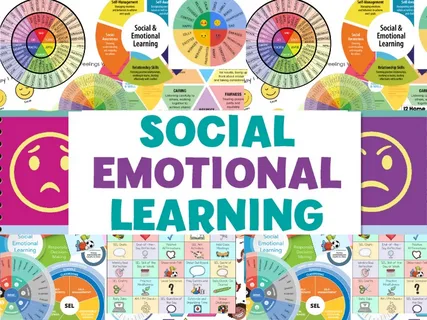
Social emotional learning has become a cornerstone of modern education, helping students develop essential life skills beyond academics. Platforms like WordRush integrate sel games into their learning environment to make these skills engaging, interactive, and fun. By combining educational games for students with guided activities, SEL-focused games help students practice collaboration, self control, and effective communication in ways that feel natural and enjoyable.
Understanding SEL Games
What Are SEL Games
SEL games, or social emotional learning games, are interactive activities designed to teach skills like empathy, teamwork, self-regulation, and decision-making. Unlike traditional exercises, these games place students in realistic scenarios where they must apply social and emotional skills to succeed.
Key components include:
- Team challenges to promote collaboration
- Problem-solving scenarios that require self-control
- Reflection activities that build emotional awareness
Why SEL Games Work
SEL games work because they engage students emotionally and cognitively. Students learn better when they can practice skills in safe, interactive environments, allowing them to experience consequences, make decisions, and understand social dynamics without real-world pressure.
Benefits of SEL Games for Students
Improved Collaboration Skills
Through group challenges and team-based activities, students learn to:
- Listen actively to peers
- Negotiate and make collective decisions
- Support teammates while achieving shared goals
Developing Self Control
Many SEL games incorporate challenges that require patience, delayed gratification, and focus. Students practice controlling impulses, managing frustration, and maintaining attention, skills that are transferable to both classroom and real-life settings.
Enhanced Engagement
Games designed for social emotional learning keep students engaged because they blend learning with play. Students are motivated to participate, complete tasks, and reflect on outcomes, which increases retention of both academic and social-emotional concepts.
Types of SEL Games
Collaborative Challenges
Students work together to solve problems, complete tasks, or reach goals. These activities promote teamwork and communication, showing how collective effort leads to better outcomes.
Self-Regulation Exercises
Games that involve turn-taking, timed activities, or strategic planning help students practice self-control. These challenges teach patience, focus, and goal-directed behavior in a structured, safe environment.
Scenario-Based Simulations
Scenario-based games place students in realistic situations where they must make choices, consider consequences, and practice empathy. This type of activity reinforces decision-making and emotional awareness in ways that worksheets cannot replicate.
Integrating SEL Games into the Classroom
Start With Short Sessions
Introduce brief SEL game sessions to help students acclimate. This allows teachers to observe behaviors, guide reflection, and measure impact without overwhelming the class schedule.
Blend With Academic Learning
SEL games work best when combined with academic lessons. For example, vocabulary or reading games can be paired with SEL-focused activities, helping students practice both cognitive and social-emotional skills simultaneously.
Encourage Reflection and Discussion
After each game, facilitate discussions where students reflect on their decisions, strategies, and emotional responses. This reflection reinforces learning and encourages deeper understanding of social-emotional concepts.
Key Features to Look for in SEL Games
- Clear objectives related to collaboration and self-control
- Age-appropriate content that engages students
- Opportunities for reflection and feedback
- Structured challenges that adapt to different skill levels
- Integration with educational games for students to reinforce learning
By selecting SEL games with these features, educators can ensure meaningful, impactful experiences that extend beyond the digital classroom.
The Role of SEL Games in Modern Learning
Social emotional learning is critical for student success both in and out of the classroom. When integrated with interactive educational games for students, SEL games provide an environment where students can practice essential skills while remaining motivated and engaged. Platforms like WordRush offer tools that combine vocabulary-building, interactive challenges, and social-emotional exercises, helping students develop collaboration, self control, and confidence in equal measure.
By creating these experiences thoughtfully, educators can foster classrooms where students are not only academically capable but also socially aware and emotionally resilient. SEL-focused activities help cultivate well-rounded learners while making practice feel enjoyable and meaningful. When designed effectively, SEL games demonstrate how interactive, student-centered approaches and Gamified Learning go hand in hand, ensuring lessons are both educational and engaging.

