
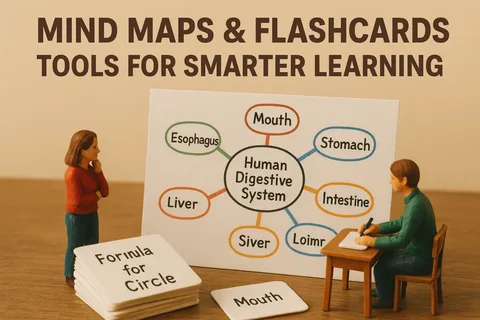
Creating a classroom environment where students feel excited, motivated, and curious isn’t just a teaching preference anymore—it’s a necessity. Today’s learners thrive when they’re invited into experiences rather than lessons, exploration rather than memorization, and challenges rather than checkpoints. That’s where adventures in learning come alive, turning ordinary moments into dynamic opportunities for growth. And with innovative tools like WordRush, educators have more creative power than ever to design meaningful learning journeys that truly resonate.
Education is shifting from static instruction to active participation. Whether you teach in a physical classroom, a hybrid model, or a digital-first environment, smart and engaging challenges help make learning more purposeful, interactive, and captivating. In this article, we explore how to strengthen student learning adventures through intentional strategies, thoughtful challenge design, and modern learning experiences that support long-term success.
The Power of Adventures in Learning
Adventures in learning go beyond traditional teaching methods by tapping into imagination, curiosity, and exploration. They spark intrinsic motivation—students want to participate, not because they have to, but because they’re genuinely invested.
Why Learning Adventures Matter
When students experience learning as an adventure, several powerful benefits emerge:
- Higher engagement: Students are more focused, curious, and energized.
- Better retention: Immersive experiences help students remember concepts longer.
- Creative problem solving: Adventures encourage students to think critically and navigate challenges independently.
- Increased confidence: Learners build self-belief when they complete meaningful challenges.
Integrating adventures into the classroom isn’t about turning education into entertainment—it’s about cultivating deeper learning experiences through purposeful design.
Designing Interactive Learning Activities That Inspire Curiosity
Interactive learning activities play a crucial role in shaping adventurous learning environments. When students participate actively, they develop ownership of their learning and become more willing to take risks, ask questions, and dive deeper into concepts.
Use Hands On and Minds On Engagement
A powerful adventure blends physical participation and thoughtful reflection. Instead of passively receiving information, students engage in activities that require application, collaboration, and creativity.
Examples include:
- Problem solving stations
- Real world project challenges
- Creative role play scenarios
- Digital simulations
- Peer led discussions
These interactive learning activities appeal to various learning styles, making lessons more inclusive and impactful.
Integrate Technology Thoughtfully
Technology isn’t a replacement for great teaching—it’s an enhancement. Smart tools, learning apps, and digital challenge boards make it easier for educators to introduce complex ideas in digestible, relatable formats.
Use tech to:
- Deliver interactive quizzes or puzzles
- Create multimedia challenge tracks
- Turn lessons into missions or tasks
- Facilitate virtual field trips
- Provide instant feedback loops
When used strategically, technology amplifies student learning adventures and keeps momentum high.
How Engaging Classroom Challenges Strengthen Learning Outcomes
Challenges are a core part of learning adventures—whether they’re puzzles, tasks, projects, or problem-solving missions. They motivate students to apply what they know, experiment with solutions, and push through obstacles.
Building Purpose Driven Challenges
Effective engaging classroom challenges are always aligned with learning objectives. The goal is not difficulty for difficulty’s sake—it’s meaningful struggle that supports growth.
A strong challenge includes:
- A clear purpose
- A specific outcome
- Steps or clues that guide students
- Opportunities for reflection
- Room for creativity and personalization
When students understand why a challenge matters, they invest more deeply in completing it.
Encouraging Collaboration and Healthy Competition
Smart challenges often combine teamwork and individual contribution. Students learn how to communicate, negotiate, support each other, and share insights.
You can incorporate:
- Team missions
- Peer to peer strategy sessions
- Multi step challenge boards
- Friendly competitions with clear rules and positive reinforcement
These activities strengthen academic skills as well as interpersonal development.
Creative Learning Strategies That Transform Ordinary Lessons
Creativity is the heartbeat of effective learning adventures. When lessons are designed with imagination, students are naturally more receptive and excited.
Story Driven Learning
Storytelling transforms simple lessons into memorable journeys. Turn historical events into quests, science lessons into mysteries, or reading assignments into character explorations.
Stories provide context, emotion, and a narrative path—making learning feel purposeful and captivating.
Choice Based Exploration
Students are more motivated when they feel control over their learning. Offer choice within learning activities, such as:
- Different challenge levels
- Multiple project formats
- Various research paths
- Flexible presentation styles
Choice empowers learners and fosters independence.
Gamification Made Simple
Gamification does not require elaborate systems or technology. Simple elements like point badges, progress maps, or treasure hunts can make any lesson feel exciting and fresh.
This strategy ties perfectly with student learning adventures, helping students stay focused and accountable.
Strengthening Student Learning Adventures With Real World Connections
When learning is connected to real life, students recognize its value more quickly. Real world connections turn abstract concepts into tangible understanding.
Examples of Real World Integration
- Math challenges based on budgeting or construction
- Science experiments tied to environmental solutions
- Language arts activities built around storytelling and community communication
- History lessons tied to modern social issues
These connections help students see themselves as active participants in the world around them.
Smart Learning Challenges That Build Long Term Skills
Smart learning challenges are intentionally designed to support both academic performance and lifelong competencies.
These challenges develop:
- Critical thinking
- Creativity
- Digital literacy
- Collaboration
- Emotional intelligence
- Resilience and perseverance
By blending structure with flexibility, smart challenges invite students to take ownership of their progress and celebrate their achievements.
Bringing It All Together
Strengthening adventures in learning requires a thoughtful blend of creativity, strategy, and student centered design. Engaging challenges, interactive learning activities, and real world connections make classroom experiences more memorable and meaningful. When educators embrace these ideas, they transform learning from routine to remarkable—empowering students to explore, question, create, and grow with confidence.
As you continue designing your next set of innovative lessons or student challenges, consider how each activity supports engagement, discovery, and purpose. And if you’re building on ideas from your previous article, this is the perfect moment to integrate Adaptive Learning Platforms into your strategy—showing how technology and creativity can work together to elevate modern education.

